What Are the Benefits of Lithium Iron Phosphate Battery?
The lithium iron phosphate battery (LiFePO4) represents a significant advancement in battery technology. This type of battery has gained popularity in various applications, including electric vehicles (EVs) and renewable energy systems. According to a report from Grand View Research, the global lithium iron phosphate battery market is projected to reach $21.7 billion by 2025, highlighting its growing significance.
One of the primary benefits of the lithium iron phosphate battery is its enhanced safety. Unlike other lithium-ion batteries, LiFePO4 batteries are less prone to overheating and thermal runaway. This inherent stability is crucial in reducing fire risks, especially in large-scale applications. Additionally, these batteries have a longer cycle life, often exceeding 2,000 charging cycles, according to a study by the National Renewable Energy Laboratory.
However, some concerns remain. Lithium iron phosphate batteries generally have a lower energy density compared to traditional lithium-ion batteries. This limits their range in certain applications, such as long-distance EV travel. Furthermore, the availability of raw materials and the recycling process are vital areas for improvement. Overall, while lithium iron phosphate batteries present many advantages, continued innovation is essential for their future growth and adoption.
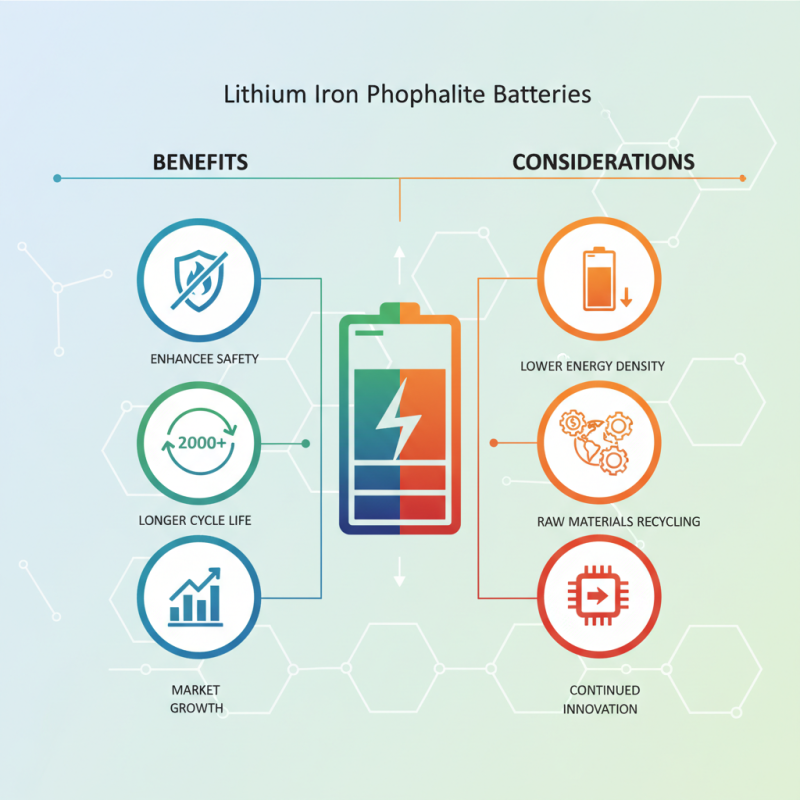
Benefits of Lithium Iron Phosphate Batteries Overview
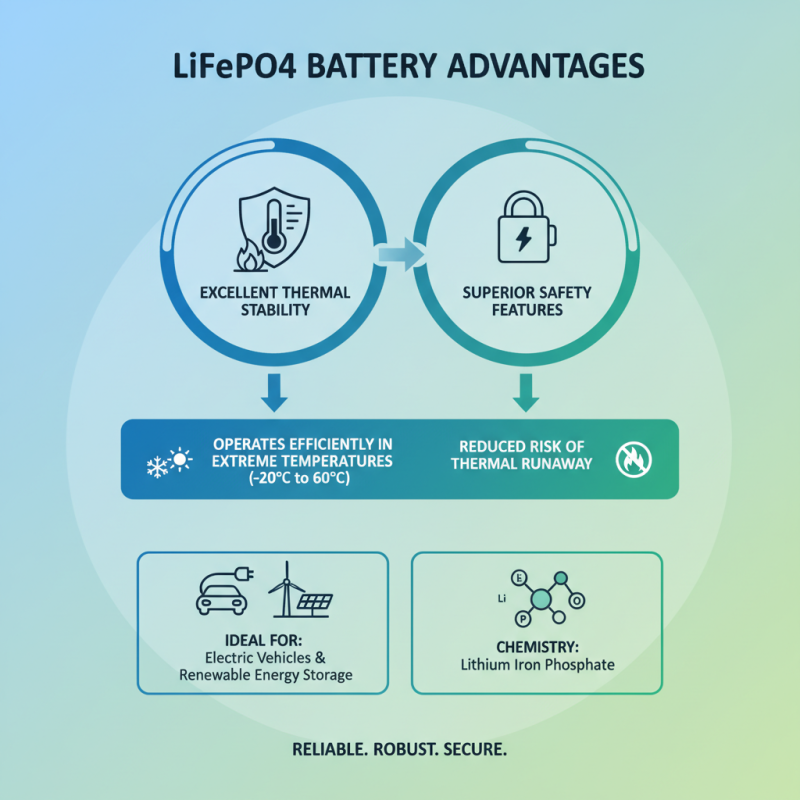
Lithium iron phosphate (LiFePO4) batteries have gained attention for their safety and longevity. One significant benefit is their thermal stability. They resist overheating and are less prone to catching fire compared to other lithium batteries. This makes them an excellent choice for various applications, including electric vehicles and renewable energy storage.
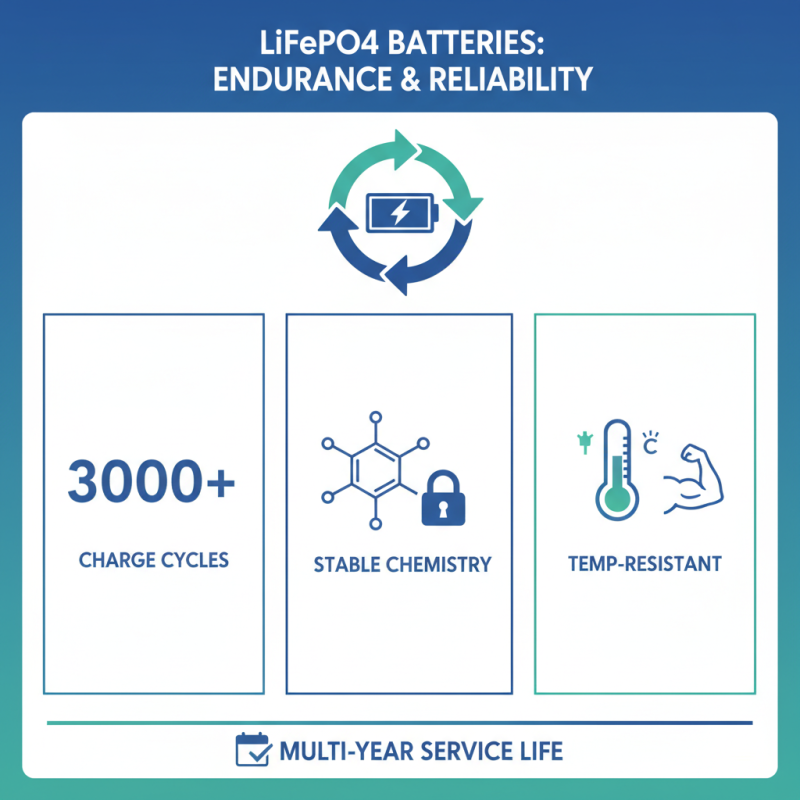
In addition to safety, LiFePO4 batteries offer a longer cycle life. They can typically withstand over 2,000 charge and discharge cycles. This longevity increases their reliability and makes them more cost-effective in the long run. However, their lower energy density means they occupy more space for the same energy output. This can be a drawback in certain designs, but their weight can still be advantageous in some contexts.
Another factor is their eco-friendliness. LiFePO4 does not contain toxic heavy metals, making it a safer option for disposal and recycling. While the upfront costs are higher, the reduced maintenance and replacement frequency can balance this out. Users must weigh these benefits against the specific requirements of their applications.
Excellent Thermal Stability and Safety Features
Lithium Iron Phosphate (LiFePO4) batteries are noted for their excellent thermal stability and safety features. They operate efficiently under a wide range of temperatures, maintaining performance even in extreme conditions. This stability is crucial for applications in electric vehicles and renewable energy systems. The chemistry of these batteries reduces the risk of thermal runaway, a dangerous phenomenon seen in other lithium-ion batteries.
Safety is a primary concern in battery technology. LiFePO4 batteries have built-in safety mechanisms that prevent overheating and short circuits. Their robust design ensures a longer lifespan, making them a reliable choice for long-term use. While they may not offer the highest energy density compared to other lithium batteries, their consistent performance minimizes the need for frequent replacements. Reliability builds trust in their use for critical applications.
However, challenges remain in maximizing their energy capacity. Users should also consider their weight, as LiFePO4 batteries can be bulkier. Balancing these factors is essential for those looking to optimize design and functionality. The ongoing development in battery technology strives to address these issues while enhancing overall efficiency and safety.
Long Cycle Life and Durability Advantages
Lithium Iron Phosphate (LiFePO4) batteries are renowned for their impressive cycle life. They can endure thousands of charge and discharge cycles. This longevity is largely attributed to their stable chemistry. As temperatures fluctuate, these batteries maintain performance. Users can rely on them for many years without significant degradation.
In practical terms, this means reduced costs over time. Fewer replacements translate to lower maintenance expenses. The durability of LiFePO4 batteries also means they can resist physical stress. They show excellent resilience to vibrations and shocks. For industries requiring dependable energy, this reliability is crucial. However, it's essential to acknowledge potential limitations, such as lower energy density compared to other lithium batteries.
In a world increasingly turning to renewable energy, these batteries play an important role. Their longer life means less electronic waste. This aligns with sustainability goals globally. As we embrace technological advancements, understanding both strengths and weaknesses of LiFePO4 batteries is vital. They may not suit every application, but their advantages in durability and cycle life are noteworthy.
Environmentally Friendly Characteristics of LFP Batteries
Lithium Iron Phosphate (LFP) batteries stand out for their environmentally friendly characteristics. Unlike traditional batteries, LFP batteries do not contain harmful heavy metals. This makes them safer for both users and the environment. The materials used in LFP batteries are abundant and less toxic, providing a more sustainable option for energy storage.
Moreover, LFP batteries have a longer lifespan, which translates to less waste. They can withstand more charge cycles than other battery types. This durability reduces the frequency of replacement. However, the recycling of LFP batteries is still a developing area. Current recycling processes can be inefficient, leading to concerns about material recovery. This indicates a need for improvement in recycling technologies to fully harness their environmental benefits.
While LFP batteries are a step toward greener energy, challenges remain. Their lower energy density compared to other lithium-ion batteries can limit their applicability. Such limitations may hinder their acceptance in some sectors. Addressing these issues requires ongoing research and innovation. Overall, advancing LFP technology offers promise, but there is still much to consider.
What Are the Benefits of Lithium Iron Phosphate Battery? - Environmentally Friendly Characteristics of LFP Batteries
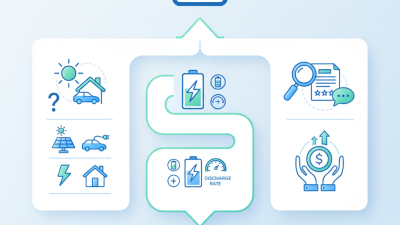
| Benefit |
Description |
| Long Cycle Life |
LFP batteries can withstand more charge and discharge cycles compared to traditional lithium-ion batteries, often exceeding 2000 cycles. |
| Thermal Stability |
LFP batteries operate at a lower temperature and have a lower risk of thermal runaway, making them safer in extreme conditions. |
| Environmental Safety |
They are made from non-toxic materials and do not contain heavy metals, making them an environmentally friendly option. |
| High Discharge Rate |
LFP batteries can deliver high discharge rates without compromising performance, suitable for applications requiring bursts of power. |
| Cost-Effectiveness |
While initially more expensive, the long lifespan and lower maintenance costs can lead to overall savings over time. |
| Wide Application Range |
Due to their durability and safety, LFP batteries are suitable for a variety of applications, from electric vehicles to stationary storage solutions. |
Comparison with Other Lithium-Ion Battery Technologies
Lithium Iron Phosphate (LiFePO4) batteries present a notable alternative to traditional lithium-ion technologies. They offer superior thermal stability and safety compared to other lithium-ion variants. According to a 2021 report by the Department of Energy, LiFePO4 batteries possess a thermal runaway temperature of 300°C, significantly higher than that of lithium nickel manganese cobalt (NMC) batteries, which is around 180°C. This characteristic leads to less risk of fire and thermal incidents, making these batteries attractive for various applications.
In terms of lifespan, LiFePO4 batteries can endure over 2,000 charge cycles, while NMC types typically fare around 1,500 cycles. The longer life cycle contributes to reduced waste and less frequent replacements. However, the energy density of LiFePO4 batteries is lower—about 140 Wh/kg—compared to NMC batteries, which can reach 250 Wh/kg. This limitation necessitates larger battery packs for the same energy output, influencing design considerations for electric vehicles and other applications.
While LiFePO4 batteries stand out for safety and longevity, their relatively lower energy density may not meet every performance standard required in high-demand sectors. Users must weigh these factors carefully. Balancing safety with energy requirements remains crucial as industries adopt battery technologies that fit their unique needs.

 2 Enterprise Lane, Bedford, PA 15522
  (800) 771-7139
  sales@site_040a9139-525b-4487-aedd-8b22114146ed