How to Choose the Best 24v Battery Charger for Your Needs?
When choosing the best 24v battery charger, knowledge and expert advice are crucial. John Smith, a leading expert in battery technology, emphasizes, “The right charger can significantly enhance battery life.” Understanding your specific needs is essential for effective charging.
Selecting a 24v battery charger involves several factors. Know the battery type, charging speed, and safety features. A good charger not only recharges but also maintains optimal battery health. You might find that many options look similar at first glance, but subtle differences can affect performance.
Many users overlook the importance of compatibility. Not every charger suits every battery model. Common pitfalls include selecting chargers that are too slow or lack essential safety mechanisms. Thoughtful consideration can prevent damage and prolong battery life. Reflect on your needs before making a decision.
Understanding Your 24V Battery Specifications and Requirements
When selecting a 24V battery charger, understanding the battery specifications is crucial. A 24V battery system often consists of either two 12V batteries or multiple 6V batteries. It’s important to check the amp-hour (Ah) rating of the batteries. Most lead-acid batteries range from 40Ah to 200Ah. Matching the charger to the battery's capacity is essential for effective charging.
Charging time is another factor to consider. A standard charging rate is often around 10-20% of the battery's Ah capacity. For instance, if you have a 120Ah battery, a 12A charger will take approximately 10 hours to charge fully. Furthermore, the state of charge indicator on your charger can help monitor progress. According to the Battery University, undercharging can lead to sulfation, while overcharging may cause damage or reduce battery lifespan.
Choosing the right charger also involves understanding different charging technologies. Smart chargers provide advanced features, including temperature compensation and multi-stage charging, which optimize battery health. However, not all chargers offer these benefits. Research shows that a poor choice can lead to inefficiencies and increased costs over time. Therefore, carefully reviewing your battery specifications and charger capabilities is vital while making your decision.
Different Types of 24V Battery Chargers Available
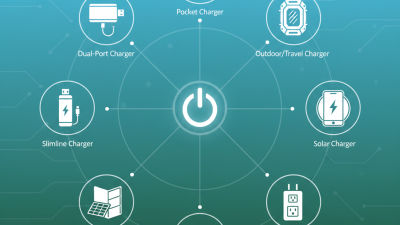
When selecting a 24V battery charger, understanding the available types is crucial. There are primarily three types: standard, smart, and solar chargers. Each has unique advantages and situations where they excel.
Standard chargers are the most straightforward. They deliver a consistent voltage and are user-friendly. However, they may not provide optimal charging under various battery conditions. In contrast, smart chargers adapt their output based on the battery's state. According to a report from the Battery University, these chargers can increase battery life by up to 30% through their precise charging parameters.
Solar chargers are gaining traction. They offer portability and sustainability for off-grid applications. A study by the International Energy Agency suggests that solar charging could reduce the carbon footprint of battery charging by 20%. However, they can be less effective in cloudy or shaded conditions, which presents challenges for users in less sunny climates.
Each charger type has its merits and drawbacks. Understanding battery chemistry is key. Finding the right charger aligns not just with performance needs, but also environmental considerations. Battery users must assess their unique circumstances before making a choice.
Key Features to Look for in a 24V Battery Charger
When selecting a 24V battery charger, it's essential to focus on key features that cater to your specific needs. Look for chargers with smart charging technology. This feature adjusts the charging rate based on the battery's condition. According to a report by the Battery University, smart chargers can increase battery life by up to 30%. This is achieved by minimizing overheating and overcharging risks.
Another crucial aspect is the charger's compatibility. Many chargers claim to work with various battery types, including lead-acid and lithium. Ensure that the charger you choose specifies its compatibility clearly. Some chargers may underperform with certain battery types, which can lead to unexpected failures. Battery users often overlook this detail.
**Tips:** Always check the power output. Chargers usually range from 5A to 20A. Higher output can charge your battery faster but may risk damage if matched improperly. Prioritize good build quality. A well-constructed charger will typically endure more wear and tear. Remember, a budget option may seem appealing, but it could lead to future costs in replacements or repairs. Stay informed and make the choice that truly fits your needs.
Battery Charger Efficiency Comparison
Assessing Charger Compatibility with Battery Chemistry
When choosing a 24v battery charger, compatibility with battery chemistry is crucial. Different batteries require specific charging profiles. Lead-acid batteries typically need a bulk, absorption, and float charge cycle. In contrast, lithium-ion batteries often require a constant current and voltage approach. Mismatched chargers can lead to inefficiency or damage.
Understanding your battery's chemistry enhances charger selection. Research the specifications of your battery type before purchasing. This prevents costly mistakes. Chargers designed for one chemistry may not suit another. The result could be undercharging or overheating.
Keep in mind that not all chargers provide the same level of sophistication. Some may lack features like temperature compensation. This can affect performance in varying conditions. Prioritizing a charger that aligns with your battery type ensures safety and longevity.
Tips for Properly Maintaining Your 24V Battery Charger
Proper maintenance of your 24V battery charger is crucial for longevity and performance. Regularly check for signs of wear. Look for frayed cables or loose connections. These can lead to inefficiency and safety hazards.
Keep the charger clean. Dust and debris can affect its performance. Wipe it down with a soft cloth. Avoid using harsh chemicals. They can damage delicate components. Airflow is important too. Ensure that the charger is in a well-ventilated area. Heat buildup can reduce its efficiency.
Consider the charging cycles. Overcharging can harm the battery and the charger. Follow the recommended charging times. It’s often easy to forget. Create reminders to avoid overuse. Lastly, always refer to the user manual for specific maintenance tips. Ignoring guidelines can lead to mistakes. Reflect on these practices to enhance both safety and performance.
How to Choose the Best 24v Battery Charger for Your Needs?
| Feature |
Description |
Importance |
| Output Voltage |
Should be compatible with a 24V battery system |
Essential for proper charging |
| Amperage |
Higher amperage charges faster, but should match battery capacity |
Important for charging speed |
| Type of Charger |
Smart chargers can adjust based on battery condition |
Critical for battery lifespan |
| Safety Features |
Overcharge protection, short circuit protection, etc. |
Very important for safe operation |
| Portability |
Lightweight designs are easier to transport |
Useful for mobile applications |
| Price |
Varies widely; assess based on features offered |
Budget consideration |

 2 Enterprise Lane, Bedford, PA 15522
  (800) 771-7139
  sales@site_040a9139-525b-4487-aedd-8b22114146ed