How to Choose the Best Lithium Battery Pack for Your Needs?
Choosing the right lithium battery pack can be challenging. With numerous options available, understanding your specific needs is essential. Factors like capacity, size, and weight matter. These elements can impact performance and usability significantly.
A lithium battery pack is crucial for many devices. It powers everything from smartphones to electric vehicles. Knowing the best features will help you make an informed choice. Different applications require different characteristics. For instance, high-performance devices need packs that can deliver substantial energy quickly.
Many users overlook some practical aspects. For example, not all lithium battery packs are built to last. It’s vital to check durability and cycle life. These details often determine the overall value of your purchase. While brand reputation is essential, individual research can uncover hidden gems. Prioritizing your unique requirements will guide you toward the best lithium battery pack for your needs.
Understanding Different Types of Lithium Battery Packs Available
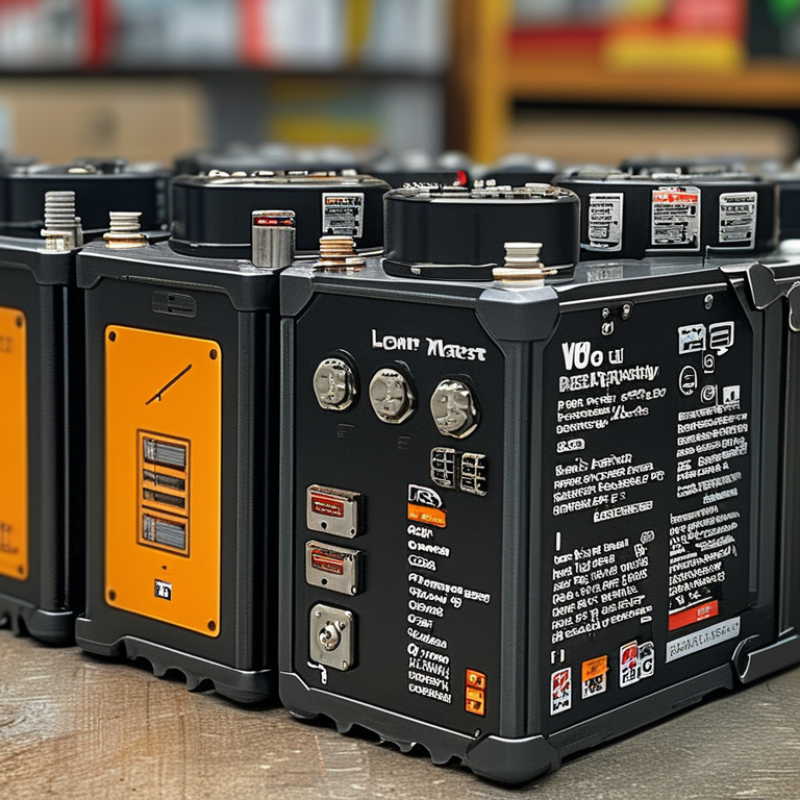
When choosing a lithium battery pack, understanding the different types available is crucial. Lithium-ion and lithium polymer batteries are the most common. Lithium-ion batteries are widely used in electronics due to their high energy density and long cycle life. According to a recent report by the International Energy Agency, lithium-ion batteries can reach up to 250 Wh/kg, making them efficient for portable devices. On the other hand, lithium polymer batteries offer flexibility in shape and size, which is beneficial for compact designs, though they typically have slightly lower energy density.
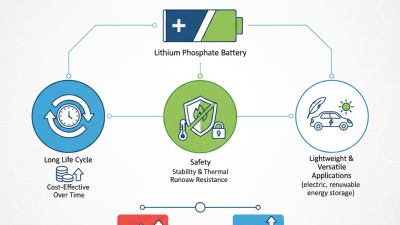
When evaluating your options, consider your usage needs. Lithium-ion packs are ideal for applications requiring longer runtimes, such as electric vehicles. Meanwhile, lithium polymer packs suit devices with limited space, like drones or wearables. Some users may find lithium iron phosphate batteries appealing for their thermal stability and safety, but they come with a lower energy density, around 90 Wh/kg.
It’s essential to assess the cycle life and charge time of these batteries. A shorter charge time may be more convenient for on-the-go needs. However, a battery with a longer lifespan can save money in the long term. Evaluate how often you’ll need to recharge. Reflect on your choices and determine what's most important based on your specific applications and needs.
Evaluating Your Energy Requirements and Usage Scenarios
When evaluating your energy needs, consider the specific applications for your lithium battery pack. For instance, if you require a battery for renewable energy storage, analyze your energy consumption patterns. According to a recent report by the International Energy Agency, energy storage demand is projected to grow sixfold by 2030. Understanding your daily power requirements will help you select the right capacity.
Usage scenarios are equally vital in making your choice. Calculate peak and average consumption. If your setup involves appliances with fluctuating energy demands, consider a battery with a higher discharge rate. A study published in the Journal of Power Sources highlights that a 20% increase in discharge capability can enhance performance in homes with variable power needs. Don't overlook seasonal variations; energy requirements may shift depending on usage patterns.
Cost is another consideration that often leads to reflections on balance. A higher upfront investment can yield long-term savings and efficiency improvements. Industry insights suggest that investing in a quality lithium battery can reduce overall energy costs by up to 30% over its lifespan. While it may be tempting to opt for a cheaper option, inadequate performance could result in more frequent replacements or inefficient energy use.
Assessing Battery Life, Cycle Durability, and Charging Times
When choosing a lithium battery pack, three key factors stand out: battery life, cycle durability, and charging times. Battery life is often measured in amp-hours or watt-hours. A higher number suggests a longer duration of use before recharging is needed. However, this number can be misleading. It's essential to consider how the battery will be used. If it powers high-drain devices, a high capacity could deplete more quickly than expected.
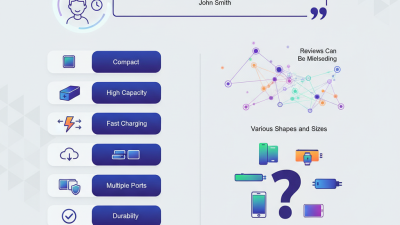
Cycle durability indicates how many charge-discharge cycles a battery can endure before its capacity starts to diminish significantly. Look for packs that can handle many cycles. Many lithium batteries start to lose capacity after 300-500 cycles, but some offer much more. Assessing user reviews can provide insights into real-world performance. But beware of incomplete information; not all users have the same experiences.
Charging times also vary greatly among lithium battery packs. Some take only a couple of hours to fully charge, while others require a longer commitment. Fast-charging options are appealing but may lead to reduced lifespan. It's crucial to strike a balance between convenience and longevity. Reflecting on your specific needs can help you determine what features matter most, making your choice more informed.
Comparing Safety Features and Certifications in Lithium Battery Packs
When selecting a lithium battery pack, safety features and certifications should be top priorities. The most critical aspect is understanding the battery's chemistry and its potential risks. Lithium batteries can pose thermal runaway risks if not properly constructed. Reports indicate that proper certifications can significantly reduce these hazards. For instance, batteries carrying UL 2054 certification demonstrate fire safety compliance, ensuring they meet rigorous testing standards.
Additionally, look for packs with built-in Battery Management Systems (BMS). These systems monitor voltage, temperature, and current to prevent overcharging and overheating. According to the International Electrotechnical Commission, BMS-equipped batteries showcase a 30% lower failure rate in real-world applications compared to non-BMS counterparts. This highlights the value of investing in products with these protective features.
However, many consumers overlook the importance of ongoing maintenance. Regular checks can reveal wear that might lead to performance issues or safety hazards. A study by the Battery University noted that 22% of lithium battery failures stem from neglect in maintenance. Thus, understanding both the features and the responsibilities of ownership is essential to ensure safety and longevity.
Analyzing Cost vs. Performance for Optimal Battery Selection
When selecting a lithium battery pack, the balance between cost and performance is crucial. Understanding your specific requirements is essential. Some applications demand high energy density, while others might focus on discharge rates. These factors will impact your decision significantly.
Cost does not always reflect performance. A more expensive battery may offer longevity and stability, yet less costly options might suffice for short-term use. Evaluating the total cost of ownership is vital. This includes replacement cycles and maintenance needs. A cheaper initial investment can lead to higher expenses over time if the battery underperforms.
Don’t overlook the manufacturer's reliability and reputation. It's important to research the company’s history in battery technologies. Customer reviews often reveal long-term performance insights. Likewise, assessing warranty terms can provide peace of mind.
Choosing a battery pack is not solely a numbers game; it requires thoughtful consideration of all parameters involved. Reflecting on these aspects will empower you to make the best choice for your needs.

 2 Enterprise Lane, Bedford, PA 15522
  (800) 771-7139
  sales@site_040a9139-525b-4487-aedd-8b22114146ed