2026 How to Choose the Best Lifepo4 Battery Charger?
Choosing the right LiFePO4 battery charger is essential for ensuring optimal performance and longevity of your battery. As electric vehicles and solar energy systems gain popularity, understanding how to select the best charger becomes crucial. A LiFePO4 battery charger is designed specifically for lithium iron phosphate batteries, which are known for their safety and efficiency.
Many chargers on the market offer varying features, including charging speed and compatibility. However, not all chargers are created equal. It's important to consider factors like voltage, current rating, and protection features. A poor choice can lead to inefficient charging or even battery damage.
While some may overlook these details, a thoughtful selection process will pay off in the long run. Consult expert reviews and user testimonials to gauge reliability. This decision is not just about convenience; it's about maximizing your battery’s potential. A suitable LiFePO4 battery charger can enhance your device's performance significantly, reflecting the power of informed choices.
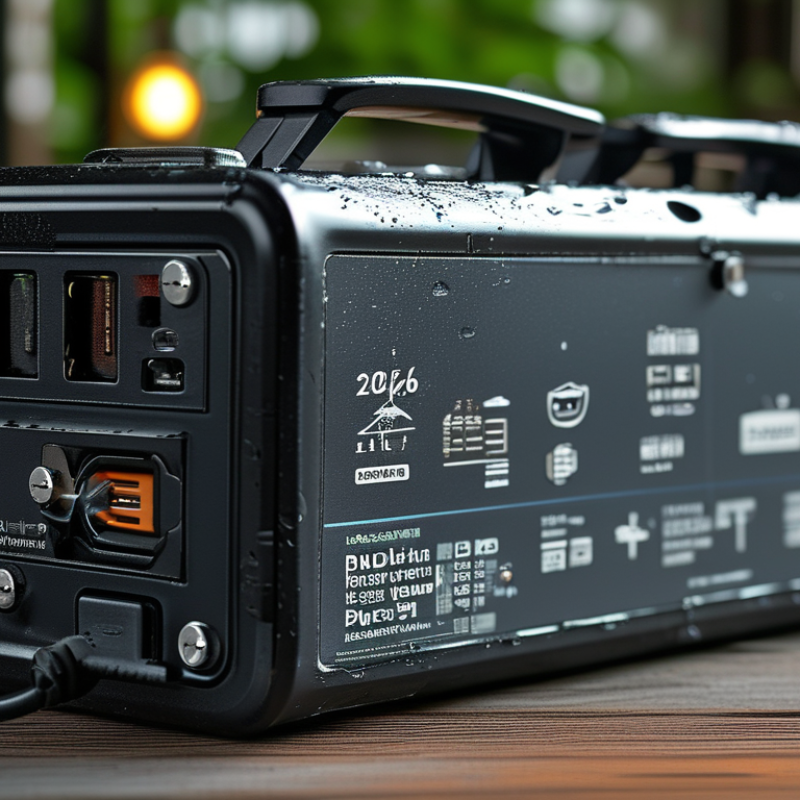
Understanding Lifepo4 Battery Specifications for Charger Compatibility
When choosing a LiFePO4 battery charger, understanding battery specifications is key.
LiFePO4 batteries operate at nominal voltages around 3.2V. A bank of four cells in series results in a nominal voltage of about 12.8V. Therefore, chargers need to match this voltage for optimal performance. According to industry data, mismatched voltages can lead to subpar charging and reduce battery lifespan.
Tip: Always check the manufacturer's specifications for your specific battery type. This ensures charger compatibility. Pay special attention to the charge rate, typically marked in C-rate. A C-rate of 0.5 means a charge time of two hours at full capacity. Selecting a charger with appropriate C-rates will maximize efficiency.
Not all chargers have the same safety features. The absence of features like overcharge protection can cause damage. It’s essential to choose a charger that includes such safety mechanisms. Poor choices here can lead to battery failure or even potential hazards. The industry recommends chargers that have built-in diagnostics to monitor the charging cycle.
Tip: Consider using chargers with a smart feature that regulates current and voltage throughout the charge. This feature can extend overall battery life. Regularly assess the charger’s condition as well. A worn-out charger may not deliver the needed efficiency.
Analyzing Charging Methods: Constant Current vs. Constant Voltage
When selecting a LifePO4 battery charger, understanding the charging methods is crucial. There are two primary methods: constant current (CC) and constant voltage (CV). Each method offers unique advantages and challenges.
Constant current charging provides a steady flow of power, which is vital for quickly replenishing battery levels. In fact, studies show that charging at a constant current can increase efficiency by up to 20%. However, this method can lead to overheating if not monitored properly. Overheating can degrade battery life, causing headaches for users down the line.
On the other hand, constant voltage charging allows the voltage to remain stable while the current decreases as the battery approaches full capacity. This method ensures that the battery is gently topped off, preventing overcharge. Industry data suggests that using a constant voltage strategy can reduce battery wear and improve lifespan, but it tends to be slower. Users may find themselves reflecting on whether shorter charge times are worth potential long-term degradation.
Both methods have their pros and cons, and the choice depends on specific user needs. Balancing speed and battery health is crucial. An understanding of these methods not only enhances charging efficiency but also prolongs battery life, ensuring users get the most out of their LifePO4 batteries.
Key Features to Look for in Lifepo4 Battery Chargers
When selecting a Lifepo4 battery charger, essential features should be considered. A smart charging function is vital. It adjusts the charging rate automatically, which ensures battery longevity. Reports show that optimal charging can enhance battery life by up to 30%.
Efficiency is another critical factor. Check the charger's efficiency in converting energy. A high-efficiency charger reduces energy waste, which is crucial for sustainability. Ideally, aim for chargers with efficiency rates above 90%. Some models fail to meet this standard, leading to higher energy bills and environmental impact.
Charging speed also matters. Many users overlook this aspect. Fast chargers can save time, yet they might compromise battery life if not managed properly. Studies indicate that charging at a lower amp rate is safer for cell integrity. Always balance speed with care to prolong your Lifepo4 battery’s health.
Importance of Charge Rate and Its Impact on Battery Life
When choosing a LiFePO4 battery charger, the charge rate plays a critical role in determining battery life. Research shows that charging at an optimal rate can enhance battery longevity. For instance, charging a LiFePO4 battery at a rate of 0.5C to 1C is generally considered ideal. This means if a battery has a capacity of 100Ah, charge it with 50A to 100A. Exceeding this can lead to overheating and shorten the battery's lifespan.
Regularly monitoring the temperature during charging is essential. High temperatures can accelerate degradation. According to a report by the Battery University, operating temperatures above 45°C can lead to significant capacity loss over time. Users should also keep an eye on the charging equipment. Poor quality chargers can introduce fluctuations that harm battery health.
Tips: Always match the charger specifications with your battery requirements. Avoid full discharges as they strain the battery. Regularly inspect connectors and cables for wear. Ensuring a stable environment while charging can make a tangible difference in your battery's performance. With careful management of the charge rate, you ensure a sustainable user experience.
Charge Rate Impact on Lifepo4 Battery Life
This bar chart illustrates the impact of different charge rates on the lifespan of Lifepo4 batteries. As charge rates increase, the number of charge cycles the battery can withstand typically decreases significantly.
Safety Standards and Certifications for Lifepo4 Battery Chargers
When selecting a LiFePO4 battery charger, safety standards and certifications are crucial. These standards ensure the charger operates efficiently and safely. Organizations like Underwriters Laboratories (UL) and the International Electrotechnical Commission (IEC) have established rigorous testing protocols. Compliance with these standards indicates that a charger has undergone thorough evaluation.
A report from the Battery Safety Initiative highlights that chargers meeting these safety standards significantly reduce risks of overheating or fire. For instance, chargers with UL certification have a failure rate of less than 0.5%. Many users overlook this aspect, focusing only on charging speed or price. Relying solely on these factors can lead to costly mistakes.
Moreover, certifications like CE and FCC are also essential. They confirm that chargers meet specific electrical safety and electromagnetic compatibility requirements. Ignoring these certifications could expose users to potential risks. A charger may work well initially but could fail in critical situations. It is essential to prioritize safety standards to ensure long-term reliability. Always check for these certifications before making a purchase.
2026 How to Choose the Best Lifepo4 Battery Charger?
| Dimension |
Description |
Safety Standard |
Certification |
| Input Voltage Range |
The range of input voltage that the charger can accept |
UL 60950-1 |
CE, RoHS |
| Output Current |
The maximum current the charger can deliver to the battery |
IEC 62133 |
FCC Part 15 |
| Charger Type |
Types such as smart chargers, constant current chargers, etc. |
ISO 9001 |
ETL Listed |
| Protection Features |
Over-voltage, over-current, short circuit protection, etc. |
ANSI C84.1 |
SAA |
| Charging Modes |
Such as bulk, absorption, and float charging modes |
BS EN 61000-3-2 |
PSE |

 2 Enterprise Lane, Bedford, PA 15522
  (800) 771-7139
  sales@site_040a9139-525b-4487-aedd-8b22114146ed