China has become a major source of battery pack solutions for electric vehicles, energy storage, industrial equipment, and specialized electronics. Its manufacturers range from large, vertically integrated groups to focused suppliers serving smaller international projects.
This guide examines ten leading Chinese battery pack manufacturers for global buyers. The comparison considers cell sourcing, battery management systems, thermal control, safety testing, production capacity, customization, and after-sales support. It also considers practical details, such as enclosure quality, connector placement, firmware communication, and shipment documentation. Details matter.
Professor Shirley Meng, a respected battery scientist, has stated, “Batteries are the key to our clean energy future.” Her view reflects the wider industry challenge. A reliable battery pack must do more than store energy. It must manage heat, balance cells, resist vibration, and communicate accurately with the user’s equipment.
The companies discussed here are not identical. Some offer strong engineering depth, while others compete through flexible minimum orders or attractive pricing. Buyers should request test reports, warranty terms, sample units, and production references before signing a contract. Factory images can look impressive. They prove little alone.
No ranking is perfect. Performance depends on application, chemistry, operating temperature, and expected service life. A pack designed for a warehouse vehicle may not suit a marine system or a residential battery cabinet. This introduction therefore treats the top ten as a practical starting point, not a final purchasing decision. Careful verification remains essential.
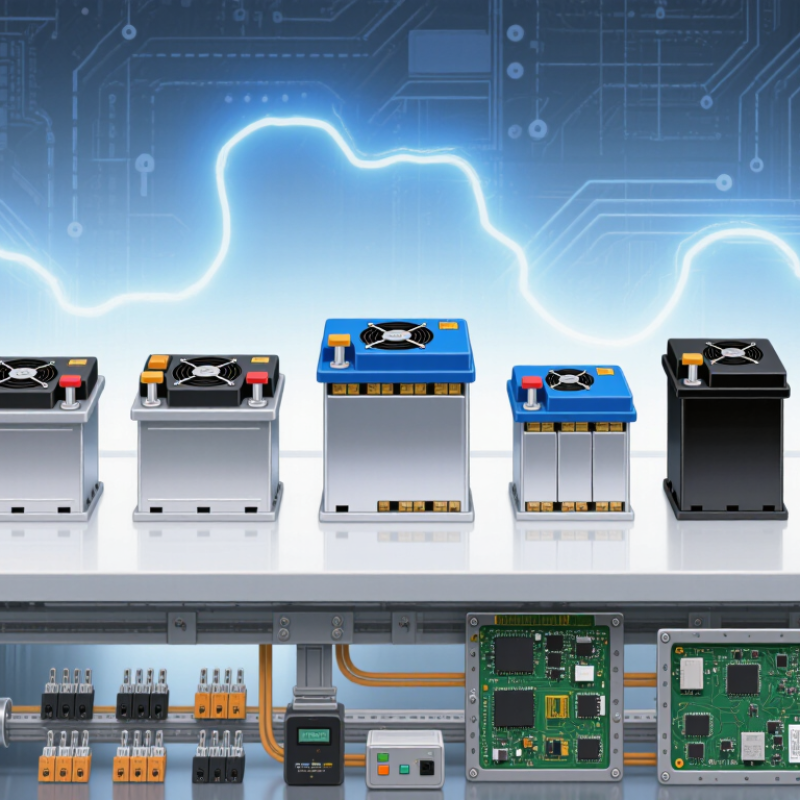
China Top 10 Battery Pack Manufacturers for Global Buyers?
Battery pack manufacturing depends on more than cell capacity. A reliable pack combines matched cells, a calibrated battery management system, thermal control, insulation, and controlled welding. The International Energy Agency reported that China held about 80% of global battery cell manufacturing capacity in 2023. This scale supports competitive sourcing, but capacity alone does not prove quality.
Core validation should include overcharge, short-circuit, vibration, crush, thermal cycling, and aging tests. IEC 62619 covers safety requirements for industrial lithium batteries, while IEC 62133-2 applies to portable sealed secondary cells. UN 38.3 testing remains essential for lithium battery transport. Automotive projects may also require ISO 26262 processes for functional safety. The standard is demanding.
A serious supplier should provide traceable cell records, production inspection data, and battery management system test results. Buyers should examine balancing accuracy, protection response time, enclosure sealing, and thermal propagation controls. A pack that passes a laboratory test can still fail after poor assembly or moisture exposure. This is where factory audits matter. Not every strong specification survives a cold warehouse. Temperature, vibration, and operator skill can change outcomes. I would also question unusually high cycle-life claims without test conditions, discharge rates, and capacity-retention evidence. The numbers may look impressive, yet the test method may remain incomplete.
A top-ten list is only a starting point. Global buyers should evaluate battery pack manufacturers through evidence, not rankings. The International Energy Agency reported that global electric vehicle battery demand exceeded 750 GWh in 2023, increasing by about 40% year on year. This growth makes supplier reliability more important than attractive pricing.
Ask for cell traceability, production records, and battery management system test results. Verify compliance with UN 38.3, IEC 62619, and applicable regional transport rules. Independent factory audits can examine welding quality, thermal protection, incoming inspection, and end-of-line testing. Request cycle-life data at defined temperatures and charging rates. Vague claims are warning signs.
Check warranty terms carefully. A clear document should define capacity retention, operating conditions, repair procedures, and response times. BloombergNEF reported an average lithium-ion pack price of 115 dollars per kWh in 2024, down 20% from the previous year. A lower quotation may still cost more after failures, customs delays, or replacement shipments. Review pilot samples under real loads. Small errors matter. Suppliers should also explain spare-part availability, software updates, Incoterms, and recycling responsibilities. Certification alone is not proof of consistent manufacturing. That point is easy to miss.
China’s leading battery pack manufacturers compete through scale, chemistry expertise, and disciplined production. The International Energy Agency reported that China supplied about 80% of global battery cells in 2023. That manufacturing depth supports faster sourcing and broader customization for international buyers.
Market leaders often offer lithium iron phosphate packs, prismatic formats, liquid cooling, and battery-management systems with remote diagnostics. These features suit buses, commercial vehicles, energy storage, and industrial equipment. BloombergNEF reported an average global battery-pack price of 115 US dollars per kilowatt-hour in 2024. China’s average was lower, at about 94 dollars per kilowatt-hour. Cost matters, but it does not replace validation.
Strong suppliers usually maintain automated welding, end-of-line testing, cell traceability, and documented safety procedures. Buyers should request cycle-life data at defined temperatures, not attractive laboratory figures alone. Certifications, transport documentation, warranty terms, and after-sales response times also reveal operational maturity. The details can be surprisingly uneven.
The IEA expects global battery demand to keep expanding through 2030, driven by electric transport and stationary storage. This growth favors manufacturers with stable upstream supply and overseas service capability. Yet lower prices may hide integration risks. Thermal design, software compatibility, and local compliance can still delay a project. A factory visit helps, although it cannot replace independent testing.
China’s domestic traction-battery installations expanded rapidly from 2020 to 2024, creating a larger addressable market for battery-pack manufacturers serving electric vehicles and energy-storage applications.
Metric: Annual installed traction-battery capacity in China, measured in gigawatt-hours (GWh). Source: China Automotive Power Battery Industry Innovation Alliance annual releases, 2020–2024. The figures describe total market installations rather than any individual company or brand.
China Top 10 Battery Pack Manufacturers for Global Buyers?
Quality control should begin before production starts. Reliable manufacturers verify cell batches, welding strength, insulation, and battery management software. Incoming cells need capacity checks, voltage matching, and visual inspection. A small mismatch can reduce pack life.
Safety testing must reflect real use. Tests may include overcharge, short circuit, vibration, impact, thermal abuse, and temperature cycling. International buyers should request traceable test records, not attractive certificates alone. Common requirements include IEC 62133-2, UN 38.3 transport testing, and market-specific marks such as CE or UKCA. ISO 9001 can support process control, but it does not prove every battery is safe. That distinction is often missed. During audits, I would also inspect fire separation, calibration records, rejected-cell handling, and final inspection samples. One weak checkpoint can affect an entire shipment.
Tips: Ask for recent reports from accredited laboratories. Confirm that the tested model matches the production model. Review serial-number traceability and recall procedures. Request sample packs for independent testing. Do not rely on factory photographs. They can be outdated. A practical audit may reveal small labeling errors or incomplete records. These issues are not always dangerous, but they deserve correction before volume orders. Safety documentation should be clear, current, and suitable for the destination market.
Anonymized buyer-screening matrix for comparing Chinese battery-pack suppliers without displaying company or brand names.
| Rank | Anonymous Supplier Slot | Typical Battery-Pack Scope | Quality-Control Evidence to Request | Safety Testing Evidence | Relevant International Standards | Export Documentation | Buyer Verification Status |
|---|---|---|---|---|---|---|---|
| 1 | Manufacturer Profile 01 | Custom lithium-ion packs for industrial equipment and portable electronics | Incoming cell inspection, barcode traceability, cell matching, weld-pull records, end-of-line functional testing | Overcharge, over-discharge, short-circuit, vibration, thermal-abuse and temperature-cycle testing | UN 38.3IEC 62133-2ISO 9001 | UN 38.3 test summary, Safety Data Sheet, battery specification, packing instructions and transport classification | Verify current certificates |
| 2 | Manufacturer Profile 02 | Low-voltage battery modules for energy storage and backup-power systems | Supplier qualification, incoming AQL inspection, BMS parameter control, capacity grading and final inspection records | Insulation resistance, dielectric withstand, abnormal charging, external short-circuit and enclosure-temperature testing | UN 38.3IEC 62619IEC 62477-1 | IEC test reports, installation manual, emergency response information and country-specific import documents | Verify application scope |
| 3 | Manufacturer Profile 03 | Light electric-vehicle, e-bike and mobility battery packs | Cell-lot traceability, connector inspection, BMS firmware control, water-ingress checks and charge-discharge cycle records | Mechanical shock, vibration, crush, impact, overcharge, water exposure and thermal propagation assessment where applicable | UN 38.3IEC 62133-2ISO 9001 | Transport test summary, charger compatibility data, battery labeling, recycling marks and technical file | Verify vehicle-market rules |
| 4 | Manufacturer Profile 04 | Automotive auxiliary and low-voltage traction battery assemblies | Process FMEA, control plan, statistical process control, automated welding inspection and lot-release approval | Vibration, mechanical shock, thermal cycling, over-temperature, short-circuit and electrical isolation tests | UN 38.3ISO 9001IATF 16949 | Automotive PPAP-related records, material declarations, traceability report and transport compliance documents | Verify automotive qualification |
| 5 | Manufacturer Profile 05 | Rack-mounted and cabinet-based lithium battery systems | Incoming inspection plan, module balancing, BMS communication test, torque verification and burn-in test records | Short-circuit, abnormal operation, thermal management, fire-resistance and system-level functional testing | UN 38.3IEC 62619UL 1973 | System wiring diagram, installation guide, SDS, test reports and grid-interconnection documents where required | Verify end-use certification |
| 6 | Manufacturer Profile 06 | Portable medical, surveying and professional-service battery packs | Controlled assembly environment, component revision control, 100% polarity inspection and documented calibration system | Leakage current, dielectric strength, abnormal charging, drop, vibration and temperature-rise testing | UN 38.3IEC 62133-2ISO 13485 | Risk-management file, material declarations, battery labeling and device-integration validation records | Verify medical-device scope |
| 7 | Manufacturer Profile 07 | Solar-storage, telecom-backup and uninterruptible-power battery modules | Capacity retention sampling, impedance testing, thermal-interface inspection, BMS alarm verification and aging records | High-temperature operation, overcharge, forced-discharge, external short-circuit and fault-condition testing | UN 38.3IEC 62619UL 1973 | Cycle-life data, installation limits, service procedure, emergency shutdown instructions and transport paperwork | Verify project-specific approval |
| 8 | Manufacturer Profile 08 | Robotics, AGV and automated-material-handling battery packs | Cell consistency analysis, communication-protocol validation, connector retention testing and automated final testing | Vibration, impact, drop, rapid-charge, thermal-cycle, short-circuit and BMS fail-safe testing | UN 38.3IEC 62133-2ISO 9001 | CAN or RS-485 protocol specification, integration guide, test report and maintenance documentation | Verify integration performance |
| 9 | Manufacturer Profile 09 | Outdoor, marine and harsh-environment battery enclosures | Ingress-protection inspection, corrosion-control records, sealing verification, torque records and environmental screening | Humidity, salt mist, vibration, shock, temperature cycling, water ingress and electrical safety testing | UN 38.3IEC 62133-2IEC 60529 | IP test report, corrosion material declaration, installation limitations and hazardous-goods shipping documents | Verify enclosure rating |
| 10 | Manufacturer Profile 10 | High-power custom packs for tools, drones and specialty equipment | High-current connector inspection, internal-resistance measurement, weld-quality checks, capacity grading and final functional test | High-rate discharge, over-current protection, short-circuit, drop, vibration, thermal-abuse and charger-fault testing | UN 38.3IEC 62133-2ISO 9001 | High-current performance data, charger compatibility, SDS, transport classification and replacement instructions | Verify current-rating claims |
Buyer note: Certification applicability depends on chemistry, pack design, voltage, destination market and end use. Request the original certificate, accredited laboratory report, validity date, model scope and matching product identification before placing an order.
Global buyers need more than a battery pack quotation. Export support can determine whether an order arrives smoothly. Reliable suppliers explain shipping documents, packaging rules, lead times, and after-sales procedures. Ask whether they can provide test reports, safety data, and export records for your destination. Clear communication matters.
Customization should match the application, not only the buyer’s preferred appearance. Discuss voltage, capacity, cell format, connectors, enclosure materials, protection circuits, and operating temperature. Request a sample before approving mass production. Battery packs may look identical while performing differently under heat or repeated charging. Suppliers should explain their quality checks and traceability process. Some customization requests sound simple but require new tooling, which increases cost and delays. That detail is often underestimated.
Tips: Compare suppliers using the same technical specification. Check response speed and document accuracy. Inspect sample workmanship carefully. Ask about rejected units and corrective actions. A trial order can reveal packing weaknesses or inconsistent communication. It may cost more initially, but it reduces avoidable risk. No supplier is perfect; buyers should record assumptions and review them before signing.